Richard Avedon
American fashion and portrait photographer who captured movement in still pictures.

via Wikipedia: Richard Avedon · see source
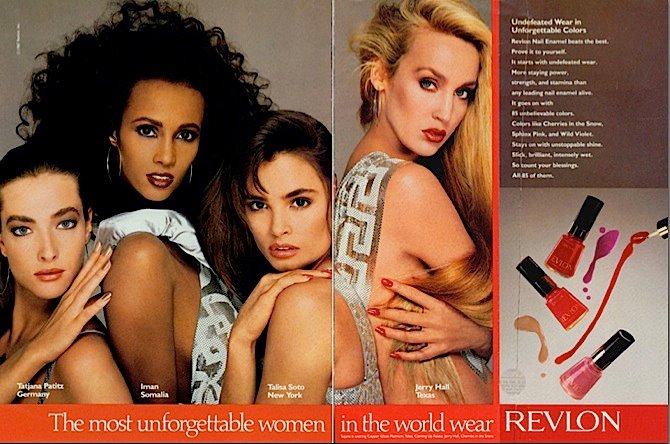
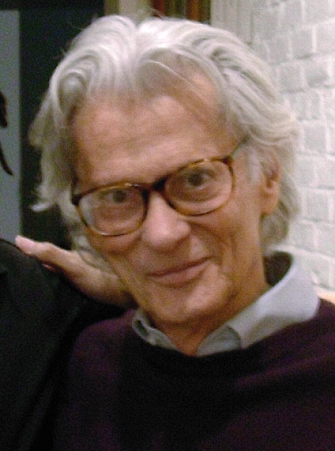
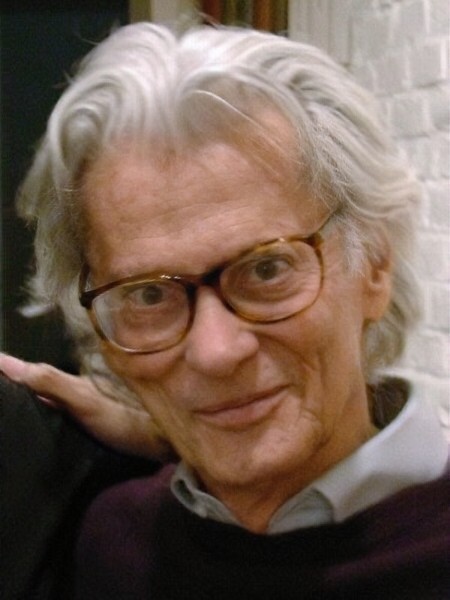
Richard Avedon (May 15, 1923 – October 1, 2004) was an American fashion and portrait photographer. He worked for Harper's Bazaar, Vogue and Elle, specializing in capturing movement in still pictures of fashion, theater and dance. An obituary published in The New York Times said that "his fashion and portrait photographs helped define America's image of style, beauty and culture for the last half-century."
- born
- May 15, 1923
- died
- October 1, 2004
- field
- Photography
- nationality
- American
- known_for
- Fashion and portrait photography; capturing movement in still pictures; studio p
Verified Timeline
Lore & Background
Avedon was born in New York City to a Jewish family. His father, Jacob Israel Avedon, was a Russian-born immigrant who started his own successful retail dress business on Fifth Avenue. His mother, Anna, encouraged Richard's love of fashion and art. At age 12, he joined a Young Men's Hebrew Association (YMHA) Camera Club and used his family's Kodak Box Brownie to explore the world. His first muse was his younger sister Louise, who struggled with schizophrenia; Avedon later said, "Louise was the forerunner—the blueprint, the ghost behind so many of my subjects." He attended DeWitt Clinton High School, where from 1937 until 1941 he worked on the school's literary magazine, The Magpie, with James Baldwin. In spring 1941, he was told he would not graduate and had to repeat his senior year. He then enrolled in a philosophy course at Columbia University's School of General Studies. In 1942, he enlisted in the United States Maritime Service and was made a staff photographer, using the Rolleiflex camera his father had given him to take ID shots for crewmen. After his discharge in 1944, Avedon began working as an advertising photographer for a department store. He secured a meeting with Harper's Bazaar art director Alexey Brodovitch, who hired him on the spot. Brodovitch also enrolled him in a photography class at his Design Laboratory at The New School for Social Research. His work first appeared in the October 1944 issue in the Junior Bazaar section. He set up his own studio in 1946 and became chief photographer for Harper's Bazaar. In 1965, he joined Vogue as a staff photographer and became lead photographer, shooting most covers from 1973 until Anna Wintour became editor in chief in late 1988. He photographed the Calvin Klein Jeans campaign featuring a fifteen-year-old Brooke Shields and directed her in accompanying television commercials. In the February 9, 1981, issue of Newsweek, Avedon said, "Brooke is a lightning rod. She focuses the inarticulate rage people feel about the decline in contemporary morality and destruction of innocence in the world."
By the 1960s, Avedon was making studio portraits of civil rights workers, politicians, and cultural dissidents. He photographed patients of mental hospitals, the Civil Rights Movement in 1963, protesters of the Vietnam War, and later the fall of the Berlin Wall. His 1964 book 'Nothing Personal,' with text by James Baldwin, includes photographs documenting the civil rights movement and an extended collection of pictures of people in a mental asylum. He created two sets of portraits of The Beatles: the first in mid to late 1967 consisted of five psychedelic portraits; the next year he photographed the more restrained portraits included with The Beatles LP in 1968. In 1973, he shot Electric Light Orchestra with all members exposing their bellybuttons for recording 'On the Third Day.' He became the first staff photographer for The New Yorker in 1992, where his post-apocalyptic fashion fable "In Memory of the Late Mr. and Mrs. Comfort," featuring model Nadja Auermann and a skeleton, was published in 1995.
Reader's Guide
Richard Avedon's significance lies in his ability to merge fashion photography with portraiture that revealed the inner worlds of his subjects. By eliminating the use of soft lights and props, and sometimes guiding subjects into uncomfortable areas of discussion or asking psychologically probing questions, he produced images that revealed aspects of character not typically captured by others. His work for Harper's Bazaar and Vogue helped define American style for decades. His studio portraits of figures such as Marilyn Monroe, Ezra Pound, and the Chicago Seven became iconic. The New York Times obituary noted that his photographs "helped define America's image of style, beauty and culture for the last half-century." His legacy includes influencing generations of photographers and expanding the boundaries of fashion photography into social commentary, as seen in his Western Project (commissioned in 1979 by Mitchell A. Wilder of the Amon Carter Museum), which focused on everyday working-class subjects and allowed him and his crew to photograph 762 people and expose approximately 17,000 sheets of 8×10 Kodak Tri-X Pan film. He also documented the Civil Rights Movement and mental health institutions.
Did You Know?
- Avedon's first muse was his younger sister Louise, whom he called 'the blueprint, the ghost behind so many of my subjects.'
- He worked on his high school literary magazine, The Magpie, with future writer James Baldwin.
- In 1942, he enlisted in the United States Maritime Service and used a Rolleiflex camera his father gave him to take ID shots for crewmen.
- He photographed the Calvin Klein Jeans campaign featuring a fifteen-year-old Brooke Shields and directed her in the accompanying television commercials.
- In 1973, he shot Electric Light Orchestra with all members exposing their bellybuttons for the album 'On the Third Day.'
Gallery
Frequently Asked Questions
Who is Richard Avedon?
Richard Avedon was an American photographer celebrated for his work in fashion and portraiture. He built a career spanning several decades and became one of the most recognizable names in the medium.
What made Richard Avedon's photography distinctive?
He had a remarkable ability to freeze motion inside a single still frame, whether he was shooting dancers, stage performers, or runway models. His studio portraits of cultural figures were also noted for their clean, uncluttered compositions.
Which magazines did Richard Avedon photograph for?
Over the course of his career he contributed fashion and portrait images to major titles including Harper's Bazaar, Vogue, and Elle.
When was Richard Avedon born and when did he die?
He was born on May 15, 1923, and passed away on October 1, 2004, at the age of 81.
Why is Richard Avedon considered important in photography history?
His images helped shape how Americans understood style, beauty, and culture for roughly fifty years. The New York Times credited his work with defining the nation's visual identity across that entire span.
More in Photographers 1-24
Elsewhere in the Photographers universe
Spotted an error? Know more?
This is a living reference — every entry is fact-audited, and reader corrections feed straight into our audit queue. Suggest an edit · See this site's audit record