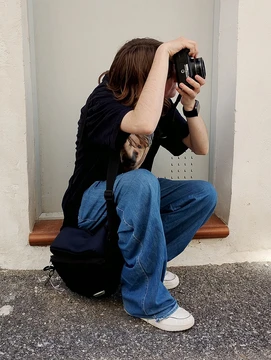
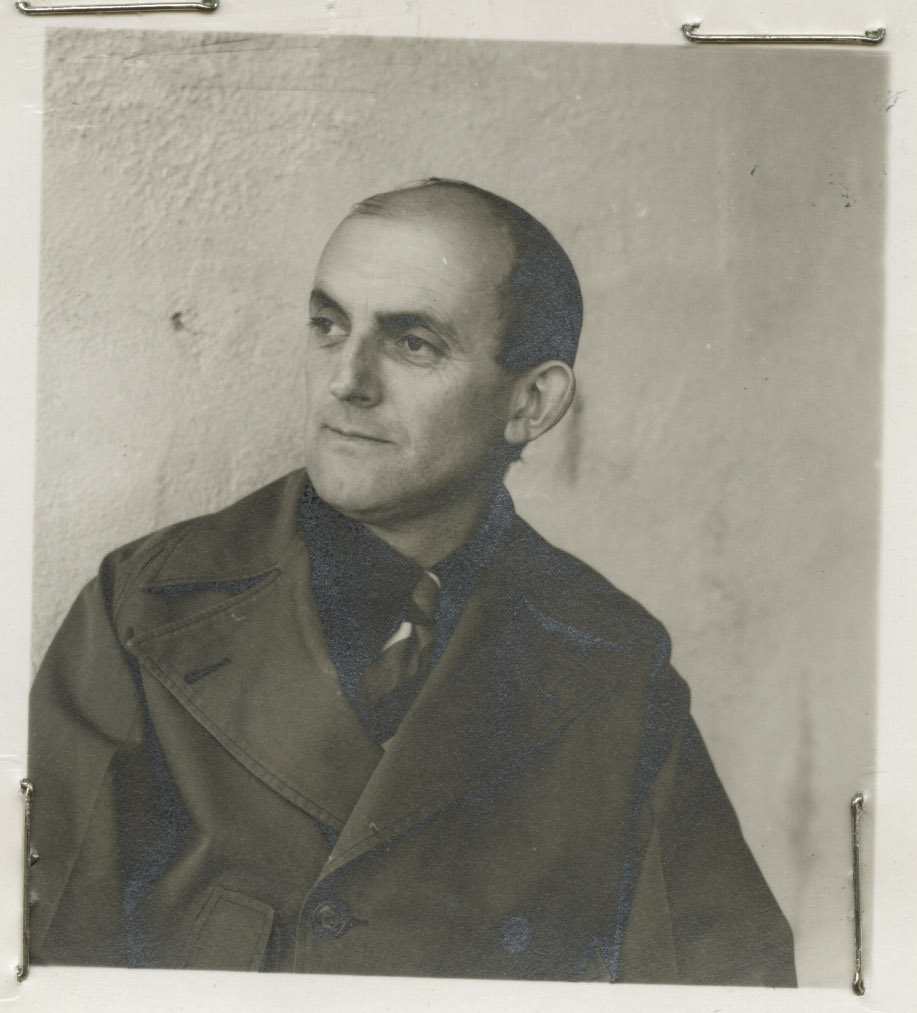
Ansel Adams
American landscape photographer and environmentalist of the American West.

via Wikipedia: Ansel Adams · see source
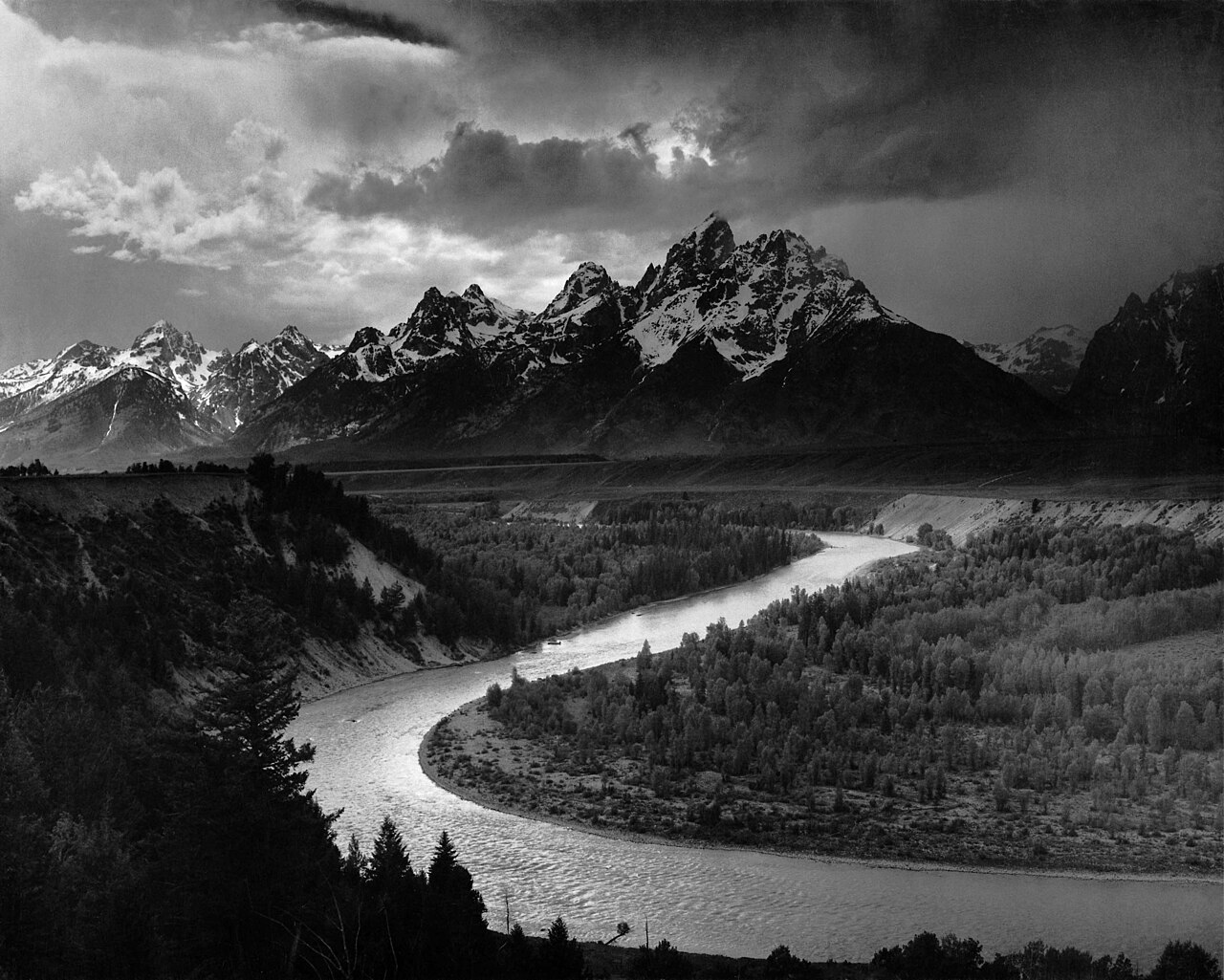
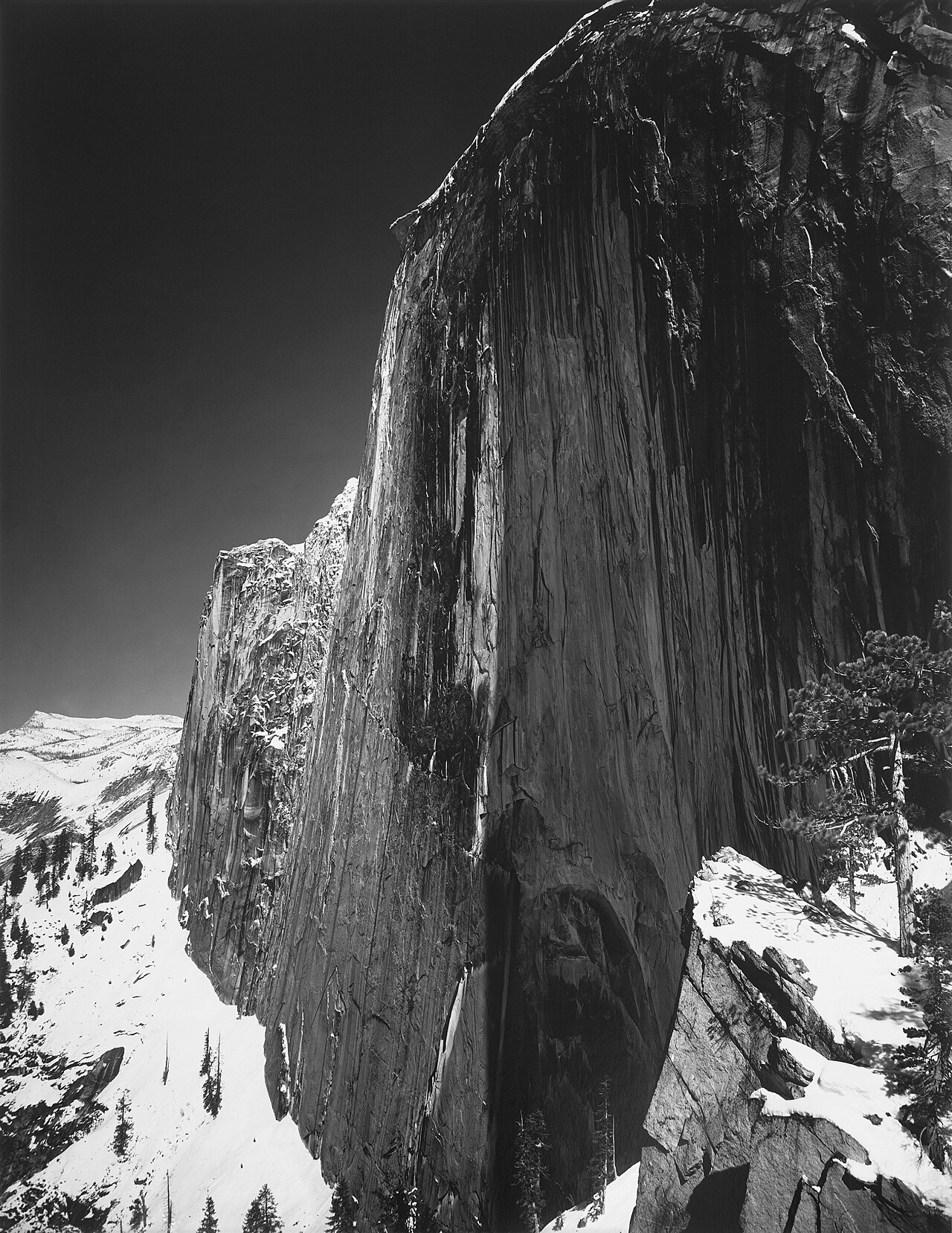
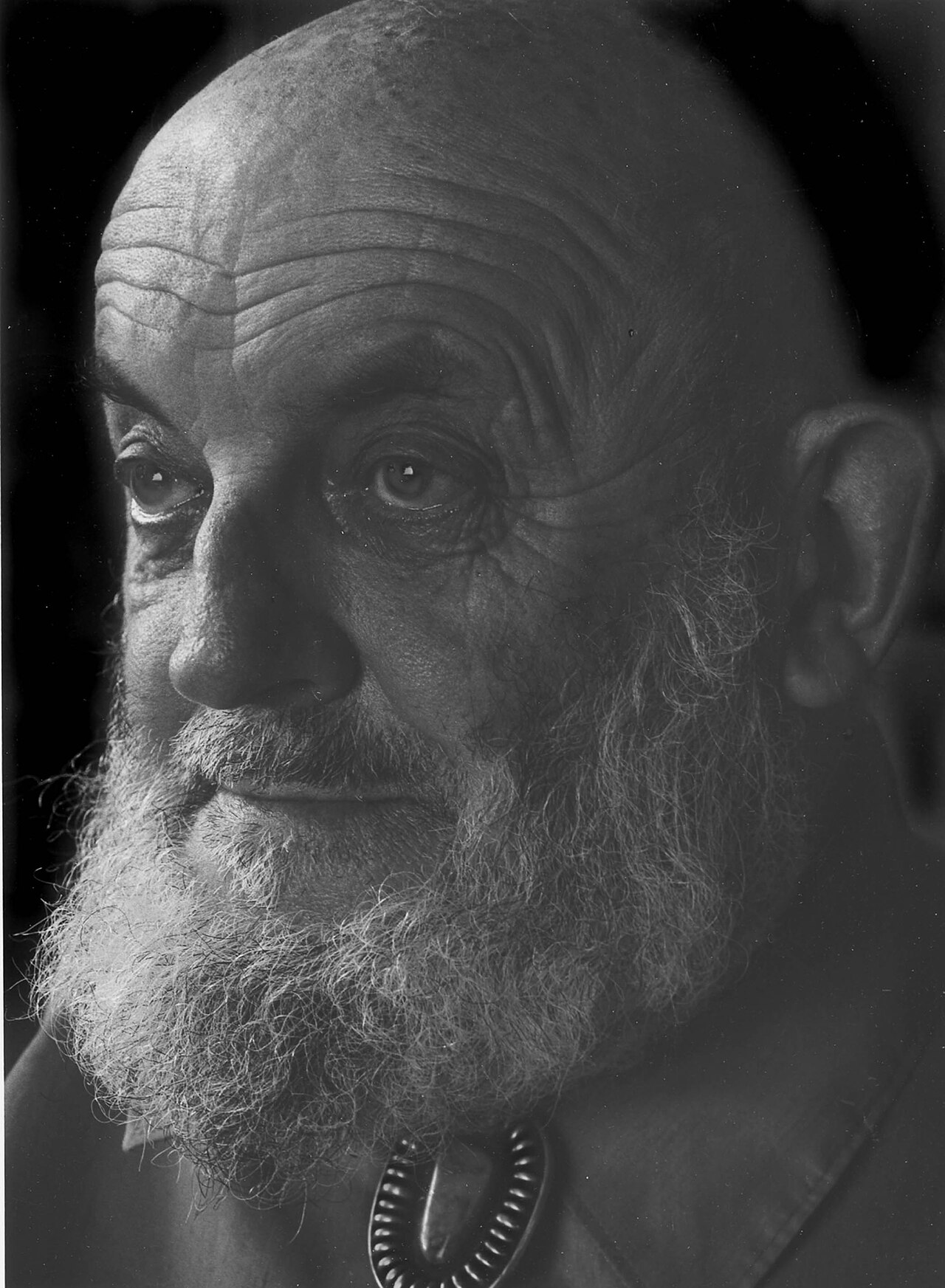
Ansel Easton Adams was an American landscape photographer and environmentalist known for his black-and-white images of the American West. He helped found Group f/64, an association of photographers advocating "pure" photography which favored sharp focus and the use of the full tonal range of a photograph. He and Fred Archer developed a system of image-making called the Zone System, a method of achieving a desired final print through a technical understanding of how the tonal range of an image is the result of choices made in exposure, negative development, and printing. Adams was a life-long advocate for environmental conservation, and his photographic practice was deeply entwined with this advocacy. For his work and his persistent advocacy, which helped expand the National Park system, he was awarded the Presidential Medal of Freedom in 1980.
- born
- February 20, 1902
- died
- April 22, 1984
- field
- Landscape photography, environmentalism
- nationality
- American
- known_for
- Black-and-white images of the American West, co-founding Group f/64, developing
Verified Timeline
Lore & Background
Adams was born in the Fillmore District of San Francisco, the only child of Charles Hitchcock Adams and Olive Bray. One of his earliest memories was watching the smoke from the fires caused by the 1906 San Francisco earthquake. Then four years old, he was uninjured in the initial shaking but was tossed face-first into a garden wall during an aftershock three hours later, breaking and scarring his nose; it remained crooked and necessitated mouth breathing for the rest of his life. He was a hyperactive child, dismissed from several private schools for being restless and inattentive, and at age 12 his father decided to remove him from school. For the next two years he was educated by private tutors, his aunt Mary, and his father. At age 14, he was given his first camera during his first visit to Yosemite National Park, an Eastman Kodak Brownie box camera, and he wrote of his first view: "the splendor of Yosemite burst upon us and it was glorious.... A new era began for me."
Adams joined the Sierra Club at age 17 and was hired as the summer caretaker of the Sierra Club visitor facility in Yosemite Valley, the LeConte Memorial Lodge, from 1920 to 1923. He participated in the club's annual High Trips, later becoming assistant manager and official photographer for the trips. He also became interested in playing the piano at age 12 after hearing his 16-year-old neighbor Henry Cowell play, and he taught himself to play and read music; over the next decade he became determined to pursue a career as a classical pianist. He married Virginia Best, daughter of landscape painter Harry Best, after meeting her while practicing piano on her father's old square piano in his Yosemite studio.
Reader's Guide
Adams's significance lies in his dual role as a technical innovator and environmental advocate. As a co-founder of Group f/64, he championed a style of photography that valued sharp focus and full tonal range. With Fred Archer, he developed the Zone System, which gave photographers precise control over exposure, development, and printing to achieve a desired final print. His work with the Sierra Club and the United States Department of the Interior, photographing national parks, directly supported the expansion of the National Park system. Beyond his own images, Adams helped secure photography's institutional legitimacy by serving as a key advisor in the founding of the photography department at the Museum of Modern Art in New York City, assisting the staging of that department's first photography exhibition, helping to found the photography magazine Aperture, and co-founding the Center for Creative Photography at the University of Arizona.
Did You Know?
- At age 4, Adams was tossed face-first into a garden wall during an aftershock of the 1906 San Francisco earthquake, breaking and scarring his nose; it remained crooked and forced him to breathe through his mouth for the rest of his life.
- Adams was dismissed from several private schools for being restless and inattentive, and his father removed him from school entirely at age 12, educating him with private tutors, his aunt Mary, and his father.
- He taught himself to play piano at age 12 after hearing his 16-year-old neighbor Henry Cowell play, and for a time pursued a career as a classical pianist.
- Adams's first camera was an Eastman Kodak Brownie box camera, given to him by his father during his first visit to Yosemite National Park at age 14.
- After his mother's death in 1950, Adams chose the cheapest casket in the room for her burial, a $260 coffin, and told the undertaker, 'One more crack like that and I will take Mama elsewhere.'
Technical Innovation & the Zone System
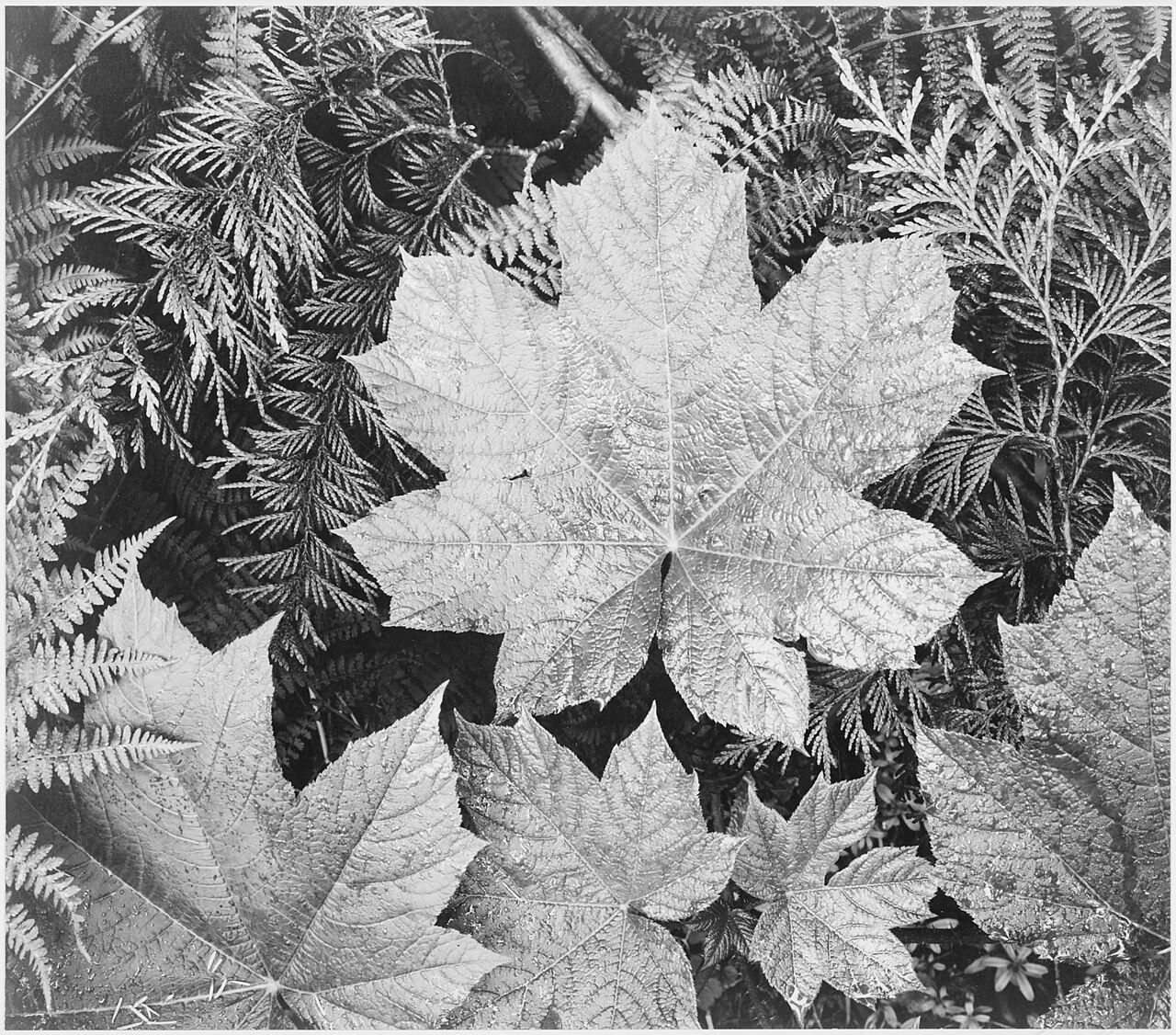
Adams reshaped how photographers thought about the relationship between a scene and its final image. He helped found Group f/64, an association of photographers advocating "pure" photography which favored sharp focus and the use of the full tonal range of a photograph. This was a deliberate rejection of softer approaches. His most enduring technical contribution came in partnership with Fred Archer: the Zone System. This method treated image-making as a chain of deliberate decisions spanning exposure, negative development, and printing, allowing a photographer to predict and control precisely how a scene would render in the final print. Rather than leaving tonal outcomes to chance, the system gave practitioners a technical vocabulary for mapping the full range of light and shadow onto paper. It transformed photography from a craft of happy accident into a discipline of informed intention.
Environmental Stewardship
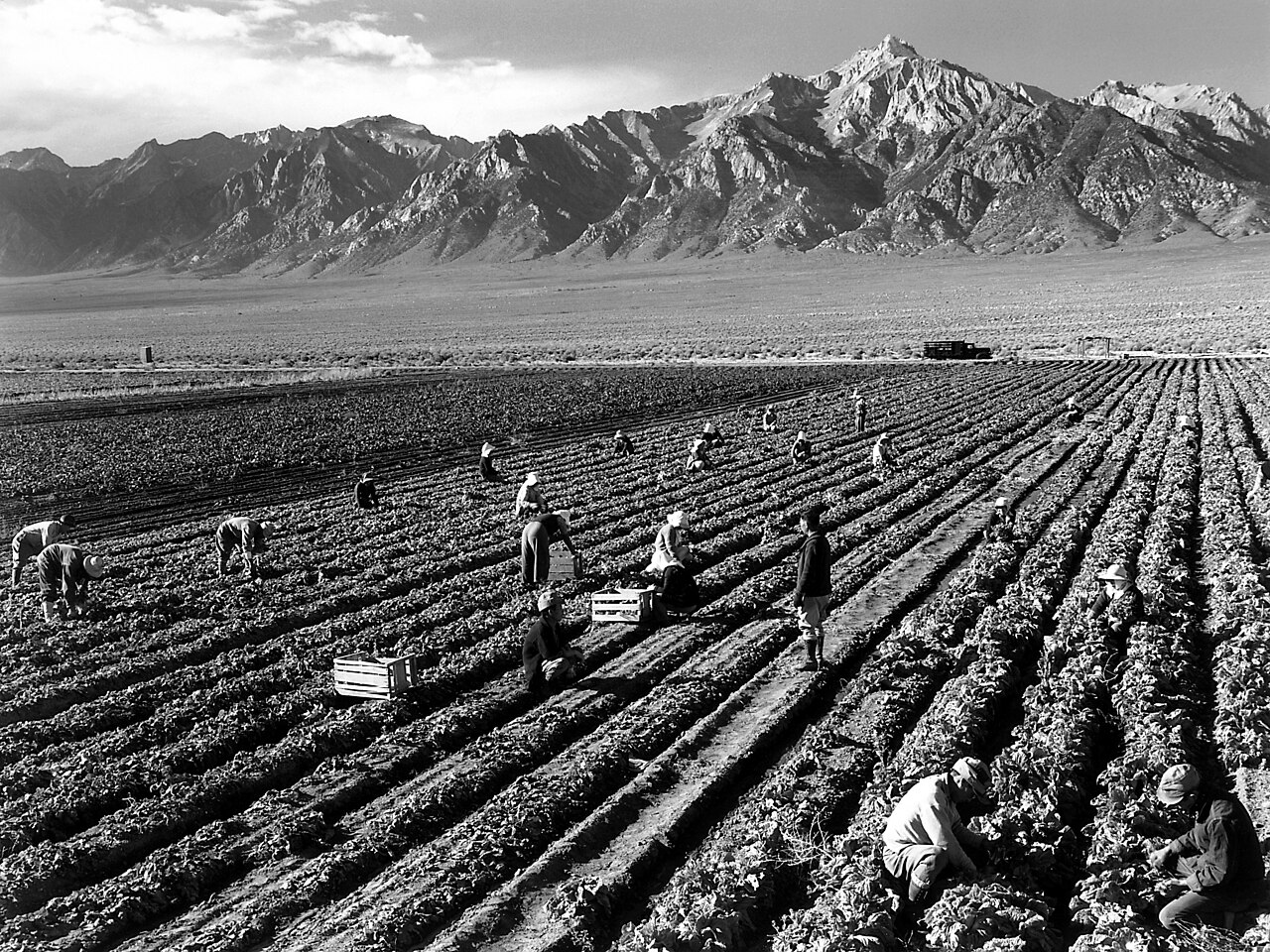
Long before environmentalism became a mainstream political movement, Adams had already committed his life and lens to the preservation of wild American landscapes. The bond formed at fourteen, when his father gave him his first camera during his first visit to Yosemite National Park, never loosened. He developed his early photographic work as a member of the Sierra Club, a community that shared his reverence for the natural world, and his work became inseparable from his advocacy. The government recognized this devotion. Adams was contracted by the United States Department of the Interior to make photographs of national parks, and his images became powerful tools in the ongoing campaign to expand and protect the park system. His persistent lobbying and public voice contributed to that expansion over decades. In 1980, the nation honored him with the Presidential Medal of Freedom, acknowledging both his artistic achievement and his tireless conservation work. Personal conviction ran deep. His paternal grandfather had founded a very prosperous lumber business, and Adams later in life condemned the industry his grandfather worked in for cutting down many of the redwood forests.
A Childhood Forged by San Francisco
Adams's formative years in San Francisco left permanent marks, both physical and psychological. At four, the 1906 earthquake and its aftershocks sent him crashing face-first into a garden wall, breaking his nose and leaving a crooked scar that forced him to breathe through his mouth for the rest of his life. The family soon relocated to a home near the Seacliff neighborhood of San Francisco, just south of the Presidio Army Base, which had a "splendid view" of the Golden Gate and the Marin Headlands. There young Ansel spent hours exploring the rocky coast, collecting bugs, and exploring Lobos Creek all the way to Baker Beach and the sea cliffs leading to Lands End, "San Francisco's wildest and rockiest coast, a place strewn with shipwrecks and rife with landslides."
School, however, was a struggle. Hyperactive and prone to frequent sickness, he was dismissed from several private schools for being restless and inattentive. His father pulled him out entirely at twelve, turning to private tutors, his aunt Mary, and his father as his classroom. His father raised him to follow the ideas of Ralph Waldo Emerson: to live a modest, moral life guided by a social responsibility to man and nature. At twelve, hearing his 16-year-old neighbor Henry Cowell play the piano ignited a decade-long pursuit of classical music. His relationship with his mother, by contrast, remained distant; she did not approve of his interest in photography, and the tension lingered until her death in 1950.
Securing Photography's Institutional Place
Adams understood that photography needed more than talented practitioners to survive as a respected art form; it needed institutional architecture. In the founding and establishment of the photography department at the Museum of Modern Art in New York City, an important landmark in securing photography's institutional legitimacy, Adams was a key advisor. He assisted the staging of that department's first photography exhibition, lending his technical expertise and curatorial judgment to the effort. Beyond MoMA, he helped to found the photography magazine Aperture, and co-founded the Center for Creative Photography at the University of Arizona, creating a dedicated academic and archival space for the medium. These were not peripheral gestures. Each institution reinforced the others, building a network that validated photography as a discipline worthy of study, criticism, and preservation. Adams's role in this infrastructure was as consequential as his darkroom work: he helped ensure that the images he and his peers produced would be seen, taught, and remembered within the broader conversation about art and culture.
Gallery
Frequently Asked Questions
Who is Ansel Adams?
Ansel Adams (1902–1984) was an American photographer celebrated for his striking black-and-white images of the American West, especially the Sierra Nevada and Yosemite. He is equally remembered as a dedicated environmentalist who wielded his art to champion the preservation of wild landscapes.
What is the Zone System and who created it?
The Zone System is a method for precisely controlling exposure, film development, and printing so a photographer can achieve a specific tonal result in the final image. Adams co-developed it with Fred Archer, and it remains a foundational tool in analog photography.
What was Group f/64?
Group f/64 was a collective of photographers that Adams helped establish in the 1930s, named after the small aperture setting that yields maximum sharpness across a frame. The group championed a 'straight' photographic style that rejected soft focus and painterly manipulation in favor of crisp, full-range imagery.
Why is Ansel Adams considered important in photography history?
Adams reshaped how photographers think about light, tone, and the deliberate construction of an image through the Zone System and his advocacy of pure, sharp-focus photography. His work also elevated landscape photography to a respected fine-art medium and made him one of the most recognizable names in the field.
How did Ansel Adams connect photography to environmentalism?
Adams believed that his images of wild places could inspire people to protect them, and he actively lobbied for conservation causes throughout his career. His 1980 receipt of the Presidential Medal of Freedom recognized both his artistic achievements and his sustained environmental advocacy.
More in Photographers 1-24
Elsewhere in the Photographers universe
Spotted an error? Know more?
This is a living reference — every entry is fact-audited, and reader corrections feed straight into our audit queue. Suggest an edit · See this site's audit record