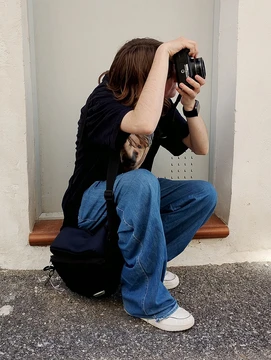
Clarence Hudson White
Self-taught photographer who elevated photography as a fine art.

via Wikipedia: Clarence Hudson White · see source
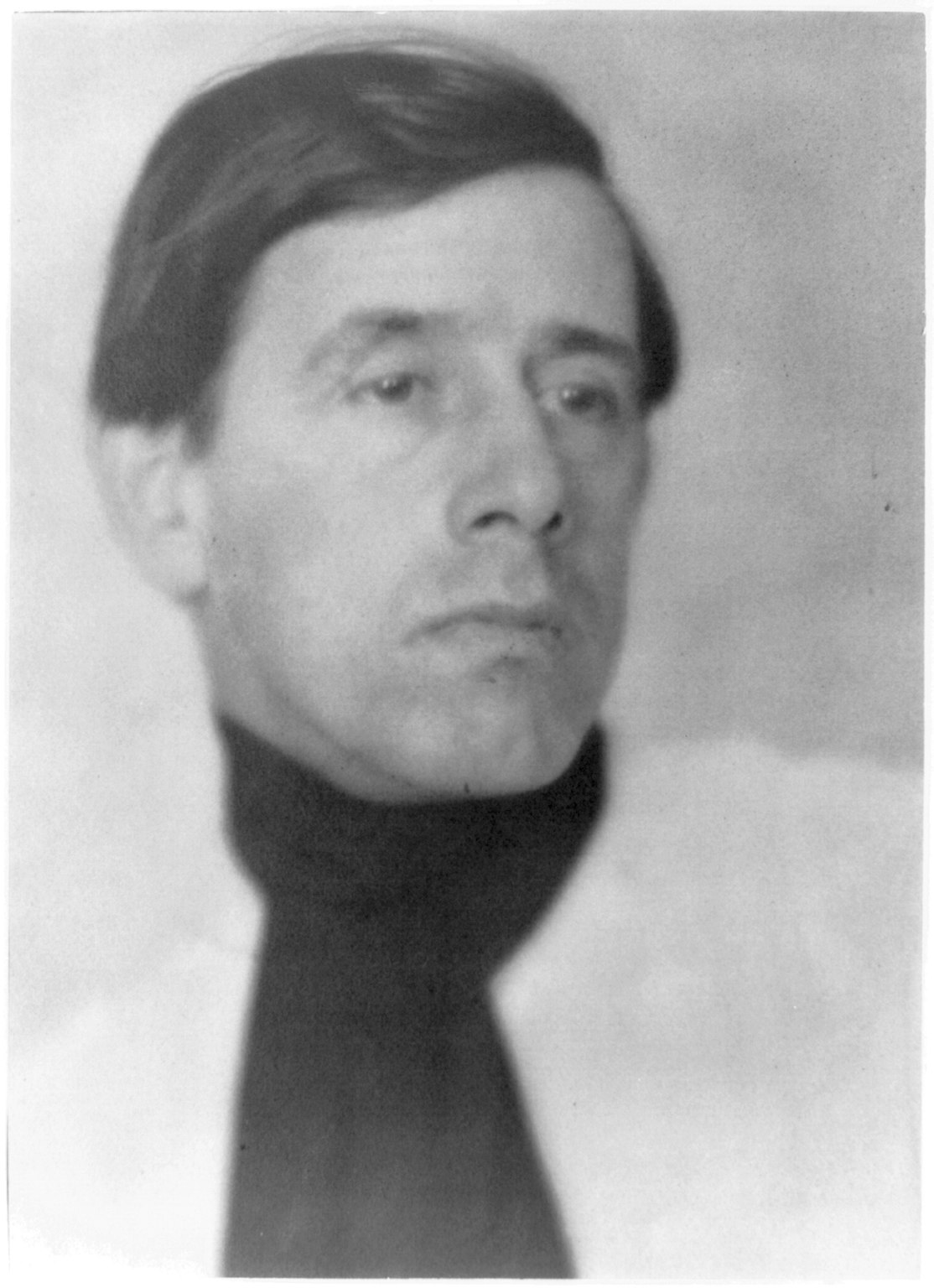
Clarence Hudson White (April 8, 1871 – July 8, 1925) was an American photographer, teacher, and a founding member of the Photo-Secession movement. He grew up in small towns in Ohio, where his primary influences were his family and the social life of rural America. After visiting the World's Columbian Exposition in Chicago in 1893, he took up photography. Although he was completely self-taught in the medium, within a few years he was internationally known for his pictorial photographs that captured the spirit and sentimentality of America in the early twentieth century. In 1914 he established the Clarence H. White School of Photography, the first educational institution in America to teach photography as art.
- known_for
- Pictorial photography, founding the Clarence H. White School of Photography, ear
Verified Timeline
Lore & Background
White grew up in small towns in Ohio, where his primary influences were his family and rural social life. After visiting the World's Columbian Exposition in Chicago in 1893, he took up photography. Entirely self-taught, within a few years he was internationally known for his pictorial photographs. He became friends with Alfred Stieglitz and helped advance photography as a true art form. In 1906 he moved to New York City to be closer to Stieglitz and his circle. In 1914 he established the Clarence H. White School of Photography, the first in America to teach photography as art. Due to teaching demands, his own photography declined in his last decade. He died of a heart attack in Mexico City on July 8, 1925, while teaching students.
Reader's Guide
Clarence Hudson White's significance lies in his dual role as a pioneering pictorialist photographer and as a foundational educator in American photography. As a self-taught artist, he developed a distinctive style that emphasized light, composition, and sentiment, earning international acclaim despite his rural Ohio origins. His friendship with Alfred Stieglitz and involvement in the Photo-Secession movement helped legitimize photography as a fine art. More durably, his establishment of the Clarence H. White School of Photography in 1914 created the first American institution dedicated to teaching photography as art, influencing generations of photographers. White's legacy is that of a bridge between the amateur pictorialist tradition and the professional, academic study of photography. His work and teaching helped shape the artistic standards of early twentieth-century photography, even as his own creative output waned under the demands of instruction.
Did You Know?
- White married Jane Felix on June 14, 1893, at the unusual hour of 6 am, and within an hour they boarded a train for the World's Columbian Exposition in Chicago.
- As a bookkeeper, White worked from 7 am to 6 pm six days a week, and could only afford two glass plate negatives per week when he started photography.
- White's maternal uncle Ira Billman, a published poet, encouraged him to continue developing his creative skills through sketching.
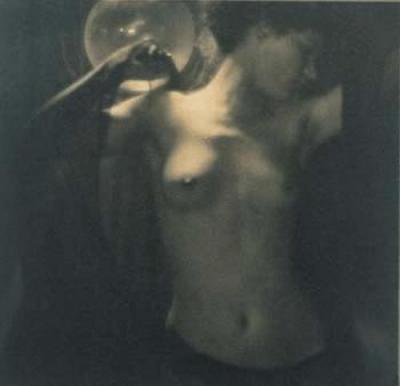
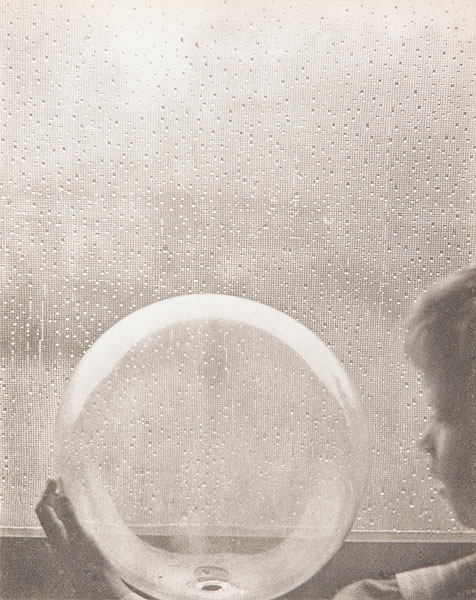
- In 1898, White created several of his most acclaimed photographs including 'The Bubble' and 'Telegraph Poles,' despite producing only about 8 photographs each month due to limited finances.
- White died of a heart attack on July 8, 1925, while teaching students in Mexico City.
Roots in Rural Ohio and the Seeds of Artistry
Clarence Hudson White entered the world on April 8, 1871, in West Carlisle, Ohio, the youngest child of Lewis Perry White and Phebe Billman White. His childhood unfolded in 'The American House,' a sprawling tavern built in 1817 by his great-grandfather, an Ohio pioneer. His early years were marked by good health, family stability, and the simple pleasures of running through fields and hills with his older brother Pressley. He devoted himself to the violin and kept a diary through his late teens and mid-twenties, filling its pages with observations about music and the pictorial arts—photography never appears in those entries. After high school, he settled into a bookkeeping role, reporting for duty at seven in the morning six days a week. Yet his maternal uncle, a published poet, urged him to keep sketching, and by 1890 White was producing notebooks of pencil drawings, ink work, and watercolors. These early exercises in visualizing subjects and manipulating light would later translate directly into his photographic eye.
The Exposition That Changed Everything
In June 1893, White married Jane Felix in Newark at the unusual hour of six in the morning, and within an hour the couple boarded a train for Chicago. There, at the World's Columbian Exposition—the largest gathering of architecture, art, music, and technology of its era, drawing over twenty-six million visitors—White encountered photography as a public spectacle for the first time. Vast international photographic exhibits, rows of camera and darkroom manufacturers, dozens of portrait studios, and live documentation of the fair itself created what amounted to an immersive, non-stop introduction to the medium. Remarkably, he never received formal instruction. Yet within a few years his pictorial images, steeped in the sentimentality and spirit of early twentieth-century America, earned him international recognition. He never abandoned his bookkeeping job, and most of his earnings still went to supporting his family, but the creative life he had glimpsed in Chicago had irrevocably taken hold.
From Ohio Mentor to New York Educator
As White's reputation grew, other photographers began making the trip to Ohio specifically to study under him, turning his small-town practice into an informal academy. His friendship with Alfred Stieglitz deepened, and together they championed the idea that photography deserved recognition as a genuine art form rather than mere documentation. In 1906, White and his family relocated to New York City to be near Stieglitz and his artistic circle, a move that also gave him a broader platform for his own work. Once in the city, his passion for instruction took center stage. In 1914 he founded the Clarence H. The commitment to mentoring students, however, came at a personal creative cost. The demands of his teaching schedule left him with little energy or time for new photographic projects, and during the final decade of his life he produced remarkably little original work. The man who had once been sought out across the country for his images now devoted himself primarily to shaping the next generation of photographers.
A Life Cut Short in Mexico City
White's final years were defined less by new images than by the institutional and personal networks he had spent decades building. As a founding member of the Photo-Secession movement, he had helped elevate photography's standing in the American cultural landscape, and his association with Stieglitz's circle in New York kept him at the center of that conversation. His wife Jane, who had been his business manager, model, aesthetic critic, and emotional anchor since their 1893 wedding, remained a constant presence in his professional life; in letters to Stieglitz, White routinely described his activities using 'we' or 'Mrs. White and I.' Yet the creative engine that had driven his early career had largely stalled by the 1910s, eclipsed by his teaching obligations. On July 8, 1925, while instructing a group of students in Mexico City, White suffered a fatal heart attack. He was fifty-four. The photographer who had carried the quiet sentimentality of rural Ohio into the international art world died far from home, in the very act of passing his knowledge to others.
Gallery
Frequently Asked Questions
Who is Clarence Hudson White?
Clarence Hudson White was a self-taught American photographer and educator who helped establish photography as a recognized fine art in the early twentieth century. He is best remembered for his sentimental pictorial images and for pioneering formal photography instruction in the United States.
What is Clarence Hudson White most known for?
He is most widely recognized for his pictorial photographs that evoke the mood and emotional texture of early 1900s American life. He also founded the Clarence H. White School of Photography, the first dedicated institution in the U.S. to teach photography as an art form.
What was Clarence Hudson White's role in the Photo-Secession movement?
White was an early member of the Photo-Secession, the group that broke away from the Photographic Society of America to champion photography as a creative, expressive medium rather than merely a technical craft. His involvement helped legitimize the artistic ambitions of photographers in that era.
How did Clarence Hudson White contribute to photography education?
He established the first school in the United States specifically devoted to teaching photography as a fine art, giving aspiring photographers formal training in composition, lighting, and artistic vision. This was a significant step in moving the medium out of purely commercial or amateur circles.
Why is Clarence Hudson White important in photography history?
White bridged the gap between photography as a mechanical process and photography as a legitimate art form, both through his own pictorial work and through his teaching. His school and his advocacy within the Photo-Secession laid groundwork for photography's eventual acceptance in galleries and academic institutions.
More in Photographers 1-24
Elsewhere in the Photographers universe
Spotted an error? Know more?
This is a living reference — every entry is fact-audited, and reader corrections feed straight into our audit queue. Suggest an edit · See this site's audit record