Eadweard Muybridge
English photographer who pioneered motion studies and early film projection.

via Wikipedia: Eadweard Muybridge · see source
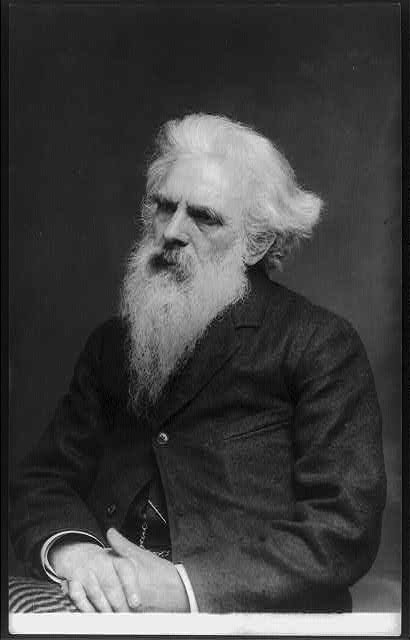
Eadweard Muybridge ( ED-wərd MY-brij; 9 April 1830 – 8 May 1904, born Edward James Muggeridge) was an English photographer known for his pioneering work in photographic studies of motion, and early work in motion-picture projection. He photographed Yosemite, San Francisco, the newly acquired Alaskan Territory, subjects involved in the Modoc War, and lighthouses on the West Coast. He also made his early moving picture studies in California.
- born
- 9 April 1830, Kingston upon Thames, Surrey, England
- died
- 8 May 1904
- field
- Photography, motion-picture projection
- nationality
- English
- known_for
- Pioneering chronophotography of animal locomotion and the zoopraxiscope
Verified Timeline
Lore & Background
Born Edward James Muggeridge in Kingston upon Thames, Surrey, England, he emigrated to the United States at age 20 as a bookseller, first to New York City and then to San Francisco. In 1860, he suffered serious head injuries in a stagecoach crash in Texas, and spent the next few years recuperating in Kingston upon Thames, where he took up professional photography, learned the wet-plate collodion process, and secured at least two British patents for his inventions. He returned to San Francisco in 1867, a man with a markedly changed personality. He adopted the first name 'Eadweard' as the original Anglo-Saxon form of 'Edward', and the surname 'Muybridge', believing it to be similarly archaic. He also used the pseudonym Helios (Titan of the Sun) for his early photography, and gave it as a middle name to his only son, Florado Helios Muybridge, born in 1874.
Reader's Guide
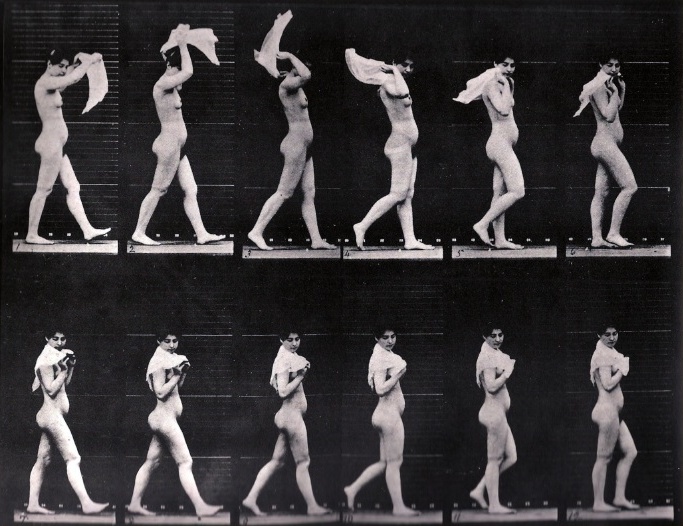
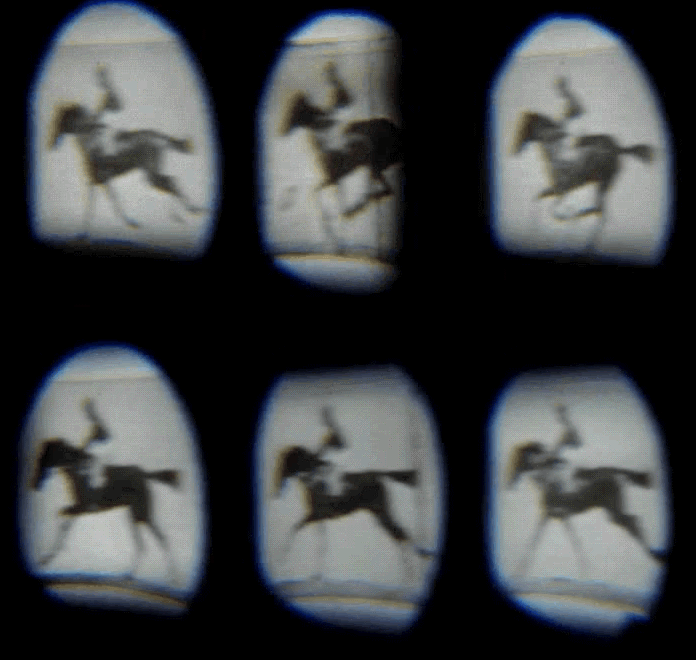
Muybridge is known for his pioneering chronophotography of animal locomotion between 1878 and 1886, using multiple cameras to capture the different positions in a stride, and for his zoopraxiscope, a device for projecting painted motion pictures from glass discs that predated the flexible perforated film strip used in cinematography. From 1883 to 1886, he entered a very productive period at the University of Pennsylvania in Philadelphia, producing over 100,000 images of animals and humans in motion, occasionally capturing what the human eye could not distinguish as separate moments in time. In his later years, he gave many public lectures and demonstrations of his photography and early motion picture sequences, travelling frequently in England and Europe to publicise his work in cities such as London and Paris. He also edited and published compilations of his work (some of which are still in print today), which greatly influenced visual artists and the developing fields of scientific and industrial photography. He retired to his native England permanently in 1894. In 1904, the year of his death, the Kingston Museum opened in his hometown, and continues to house a substantial collection of his works in a dedicated gallery.
Did You Know?
- Muybridge's gravestone carries his name as 'Eadweard Maybridge' — a misspelling of his surname.
- He used the pseudonym Helios (Titan of the Sun) for his early photography and gave it as a middle name to his only son, Florado Helios Muybridge.
- After a stagecoach crash in Texas in 1860, his hair was later claimed to have turned from black to grey in three days.
- During an 1875 expedition in Central America, he advertised his work in Guatemala under the name 'Eduardo Santiago Muybridge.'
- The spelling 'Eadweard' was probably derived from the spelling of King Edward's name on the plinth of the Kingston coronation stone, re-erected in 1850 in Muybridge's hometown.
Pioneering Motion Photography
Between 1878 and 1886, Muybridge developed a technique that would reshape how humanity understood movement. By arranging multiple cameras along a path, he captured the distinct phases of an animal's stride in rapid succession, revealing the true mechanics of locomotion. His most prolific stretch came between 1883 and 1886 at the University of Pennsylvania in Philadelphia, where he produced more than one hundred thousand images of both animals and humans in motion. On certain occasions, his sequence of exposures separated moments so fleeting that the unaided human eye could not perceive them as distinct instants. Complementing this photographic work was his zoopraxiscope, a projection device that displayed painted motion sequences on glass discs. This apparatus offered a glimpse of moving pictures long before the flexible perforated film strip became the standard medium of cinematography.
A Life of Reinvention
Few figures in photographic history reinvented their public identity as thoroughly as Muybridge. Born Edward James Muggeridge in Kingston upon Thames, he cycled through several surname spellings over the years, eventually settling on 'Muybridge' from 1865 onward. He operated his early studio under the pseudonym Helios, the Titan of the Sun, and even bestowed that name as a middle name on his only son, Florado Helios Muybridge, born in 1874. During a 1875 expedition through Central America, he marketed his work in Guatemala as 'Eduardo Santiago Muybridge.' After a trip to England in 1882, he adopted the Old English spelling 'Eadweard' for his first name, reportedly inspired by the coronation stone in his hometown that bore the archaic form of King Edward's name. Beyond nomenclature, his very character shifted dramatically. A stagecoach crash in Texas in 1860 left him with serious head injuries, and the man who returned to San Francisco in 1867 was, by all accounts, markedly different from the young bookseller who had first crossed the Atlantic at twenty.
The American West and Beyond
Before he became synonymous with motion studies, Muybridge was a working photographer documenting the vast and often untamed landscapes of the American West. He produced large-format photographs of Yosemite Valley, which he exhibited in San Francisco in 1868, and sold popular stereographs derived from those images. His lens also turned toward the newly acquired Alaskan Territory, the lighthouses dotting the West Coast, and the subjects connected to the Modoc War. His early moving picture studies were made in California, grounding his later scientific work in the same region where he had first established himself. His path to photography was indirect: he arrived in New York in 1852 as a bookseller, then moved to San Francisco during the Gold Rush era, where he sold books and art prints from a storefront on Montgomery Street. It was only after his 1860 accident in Texas and a period of recuperation back in Kingston upon Thames that he learned the wet-plate collodion process, secured at least two British patents for photographic inventions, and returned to California in 1867 as a professional photographer rather than a merchant of imported books.
Legacy and the Long Afterlife
In his final decade, Muybridge became as much a public performer as a scientist. He travelled extensively through England and Europe, giving lectures and live demonstrations of his photographic sequences and early motion picture projections in cities including London and Paris. He also edited and published compilations of his work, several of which remain in print to this day. These volumes exerted a lasting influence on visual artists and on the still-developing fields of scientific and industrial photography. In 1894, he retired permanently to his native England. He died on 8 May 1904. That same year, the Kingston Museum opened its doors in his hometown, and it continues to maintain a substantial collection of his works in a dedicated gallery. His gravestone carries his name as 'Eadweard Maybridge.'
Gallery
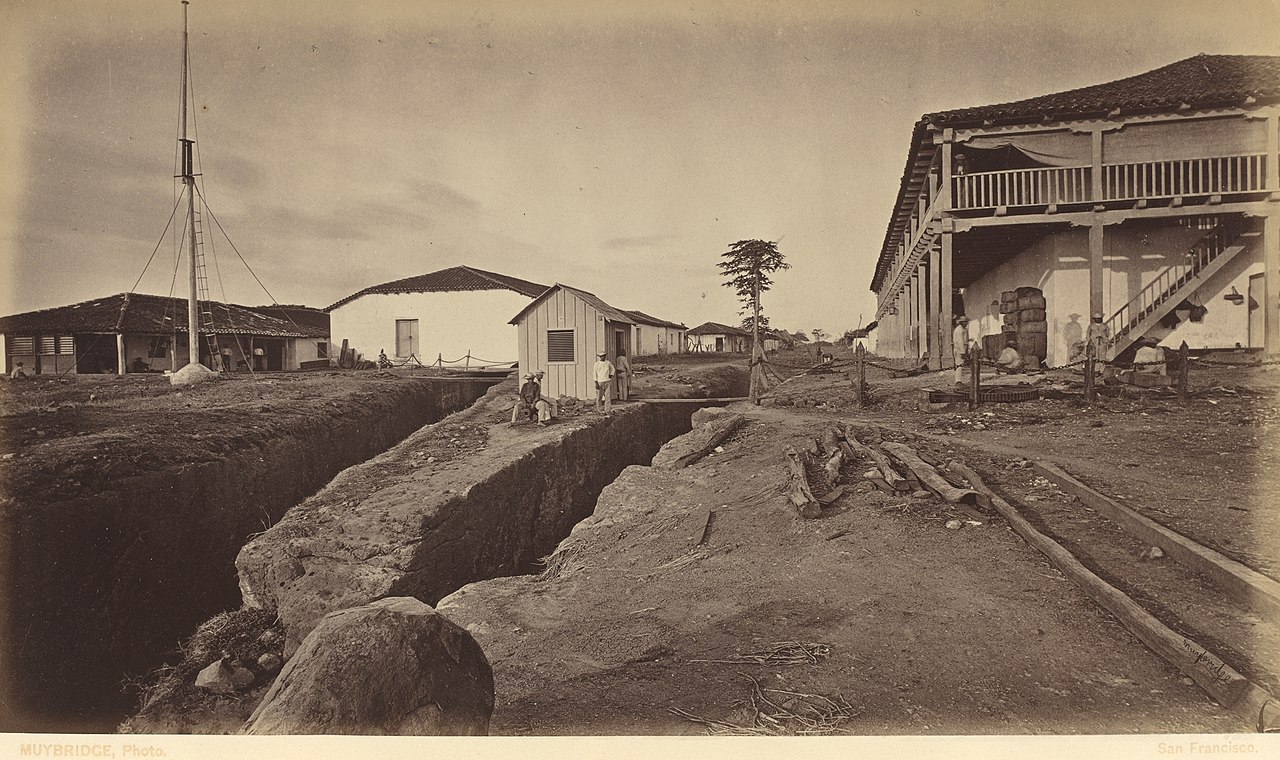
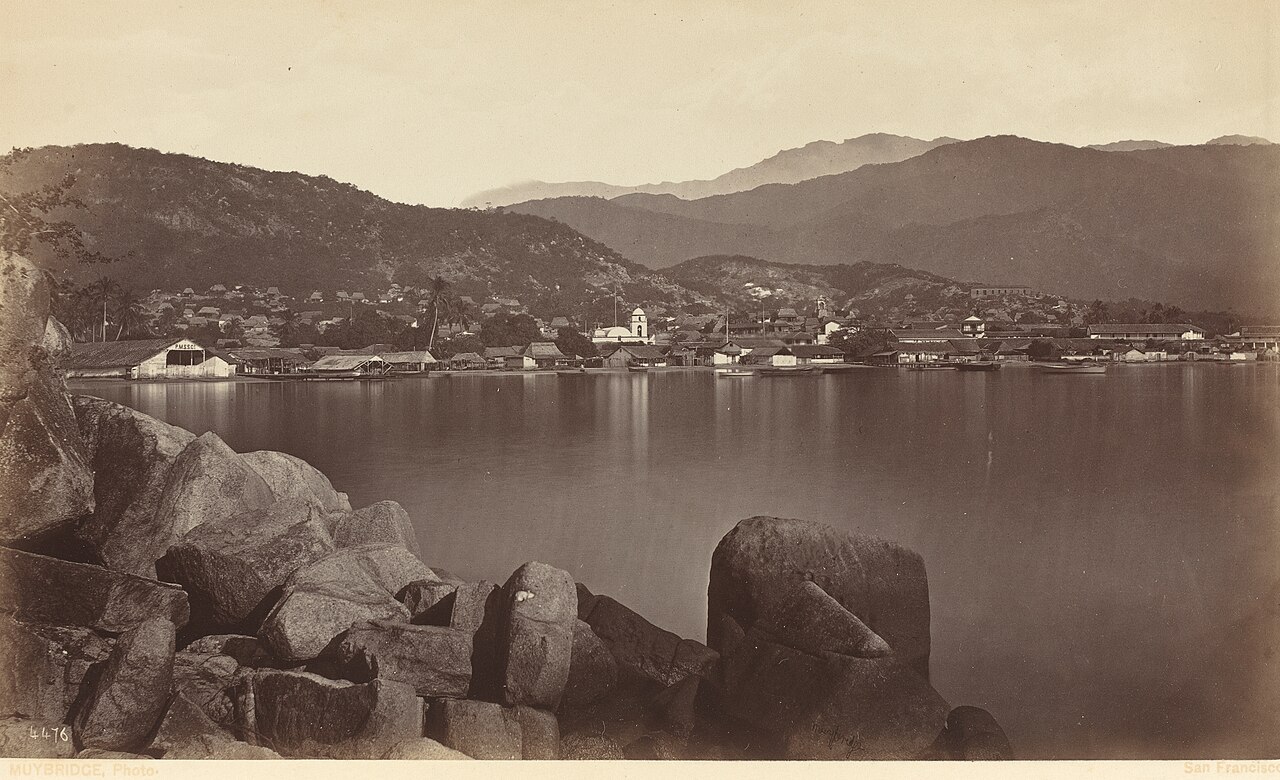
Frequently Asked Questions
Who is Eadweard Muybridge?
Eadweard Muybridge (1830–1904) was an English photographer best known for his groundbreaking studies of animal and human motion and for creating one of the earliest motion-picture projection devices. He is widely regarded as a foundational figure in both photography and the history of cinema.
What is the zoopraxiscope and why does it matter?
The zoopraxiscope was a hand-cranked projector Muybridge built to display rapid sequences of his motion photographs, producing the first convincing illusion of continuous movement. It is considered a direct precursor to the modern movie projector.
What subjects did Muybridge photograph besides his famous motion studies?
Beyond his locomotion sequences, he documented Yosemite Valley, San Francisco cityscapes, the newly acquired Alaskan Territory, participants in the Modoc War, and lighthouses along the West Coast. Much of this work was carried out in California during the 1870s and 1880s.
Why is Muybridge considered important to the history of film?
His chronophotographic experiments broke complex movements into individual frozen frames, proving that motion could be captured and later replayed. That insight became the technical and conceptual bedrock on which the motion-picture industry was built.
Where was Muybridge born and where did he do most of his work?
He was born on 9 April 1830 in Kingston upon Thames, Surrey, England, but he spent the most productive period of his career in California. It was there that he conducted his early moving-picture studies and produced his landmark animal-locomotion series.
More in Photographers 1-24
Elsewhere in the Photographers universe
Spotted an error? Know more?
This is a living reference — every entry is fact-audited, and reader corrections feed straight into our audit queue. Suggest an edit · See this site's audit record