Gustave Le Gray
French photographer known for technical innovations and seascapes.

via Wikipedia: Gustave Le Gray · see source
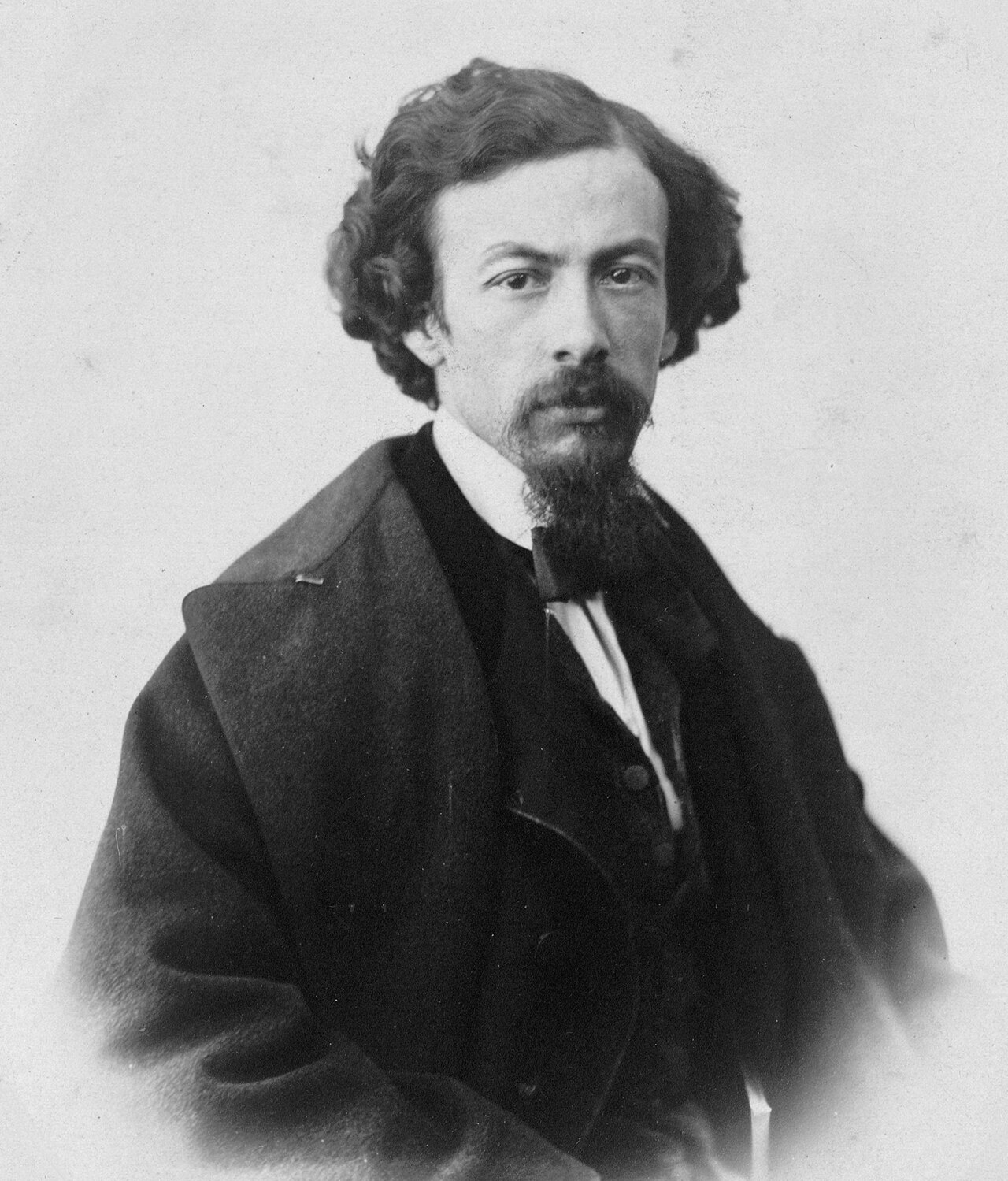
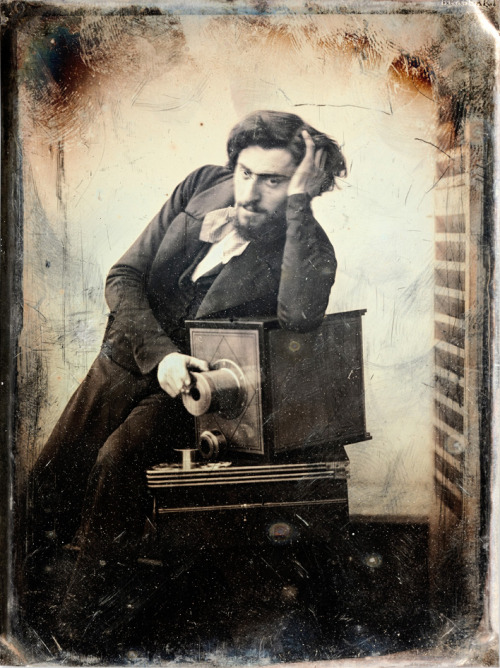
Jean-Baptiste Gustave Le Gray was a French painter, draughtsman, sculptor, print-maker, and photographer. He has been called 'the most important French photographer of the nineteenth century' because of his technical innovations, his instruction of other noted photographers, and 'the extraordinary imagination he brought to picture making.' He was an important contributor to the development of the wax paper negative.
- born
- August 30, 1820, Villiers-le-Bel, Val-d'Oise, France
- died
- July 30, 1884, Cairo, Egypt
- field
- Photography, painting, sculpture, print-making
- nationality
- French
- known_for
- Wax paper negative, combination printing, seascapes, instruction of noted photog
Verified Timeline
Lore & Background
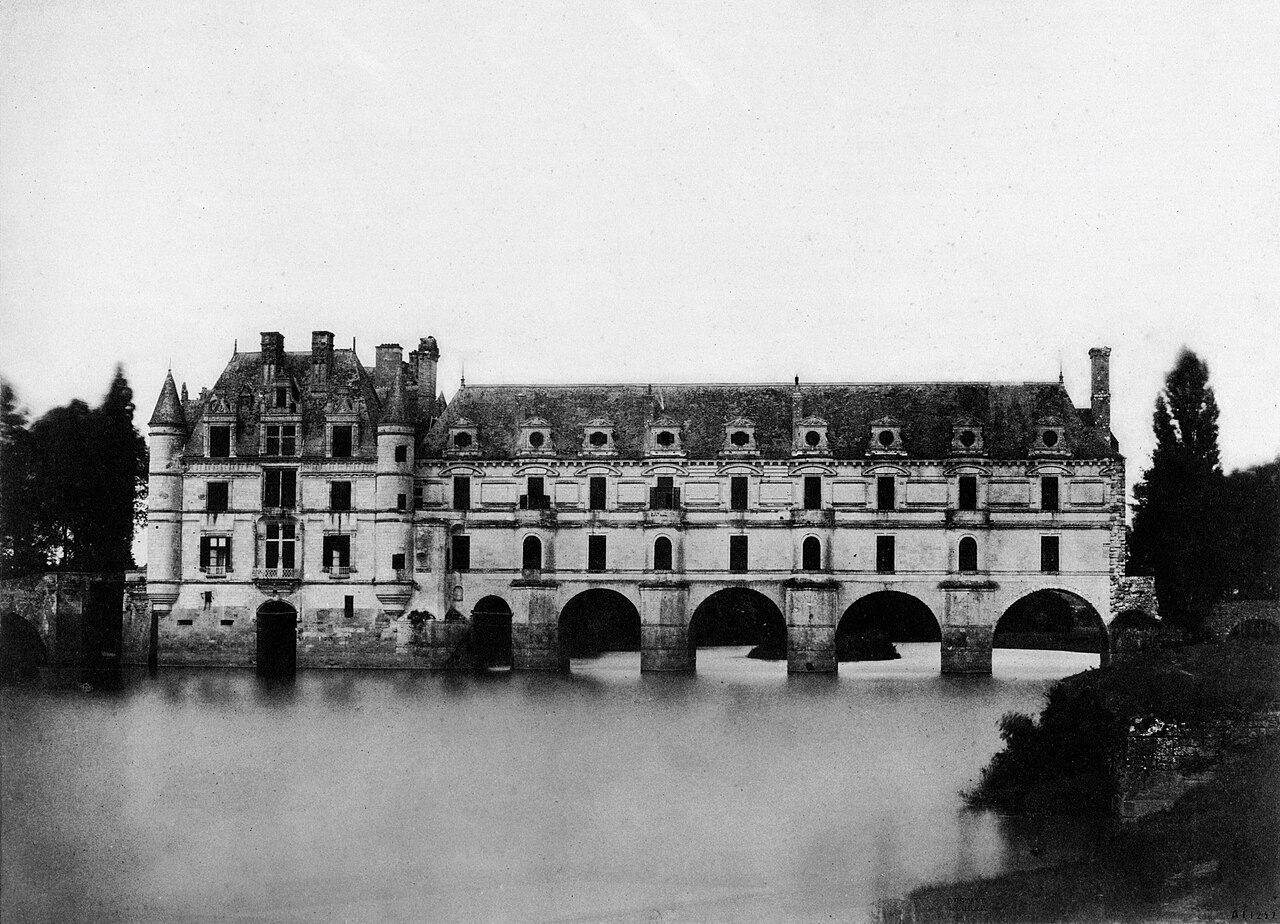
Gustave Le Gray was born on August 30, 1820 in Villiers-le-Bel, Val-d'Oise, the only child of a haberdasher. His parents encouraged him to become a solicitor's clerk, but from a young age he aspired to be an artist. He trained as a painter under François-Édouard Picot and Paul Delaroche, and lived in Italy between 1843 and 1846, painting portraits and scenes of the countryside. In 1844 he married Palmira Maddalena Gertrude Leonardi, a laundress, with whom he had six children, though only two survived into adulthood. He exhibited paintings at the Salons of 1848 and 1853 before crossing over to photography in its early years. He made his first daguerreotypes by 1847, but his real contributions were in paper photography, including portraits, scenes of nature such as Fontainebleau Forest, and buildings like châteaux of the Loire Valley. Le Gray taught photography to students including Charles Nègre, Henri Le Secq, Nadar, Olympe Aguado, and Maxime Du Camp. In 1851 he became one of the first five photographers hired for the Missions Héliographiques to document French monuments and buildings. He helped found the Société Héliographique, the 'first photographic organization in the world.' He published a treatise on photography that went through four editions (1850, 1851, 1852, and 1854). In 1855 he opened a 'lavishly furnished' studio, becoming progressively the official photographer of Napoleon III and a successful portraitist. His most famous work dates from 1856 to 1858, especially his seascapes. Despite artistic success, his business was poorly managed and ran into debts; he closed his studio, abandoned his wife and children, and fled the country to escape creditors. He began touring the Mediterranean in 1860 with writer Alexandre Dumas, père, encountering Giuseppe Garibaldi and photographing Garibaldi and Palermo under Sicilian bombardment. Dumas abandoned Le Gray in Malta due to a personal conflict. Le Gray went to Lebanon, then Syria, where he covered the movements of the French army for a magazine in 1861. Injured, he remained there before heading to Egypt. In Alexandria he photographed Henri d'Artois and the future Edward VII. He established himself in Cairo in 1864, earning a modest living as a professor of drawing while retaining a small photography shop. He sent pictures to the universal exhibition in 1867 but they did not catch attention. He received commissions from the vice-king Ismail Pasha. From this late period there remain 50 pictures.
Reader's Guide
Gustave Le Gray's significance lies in his technical innovations and his role as a teacher of many prominent photographers. He improved paper negatives by waxing them before exposure, 'making the paper more receptive to fine detail.' He published a collodion process in 1850 that was 'theoretical at best,' though the invention of the wet collodion method to produce a negative on a glass plate is now credited to Frederick Scott Archer who published his process in 1851. Le Gray also pioneered combination printing, creating seascapes by using one negative for the water and one for the sky. His seascapes from 1856 to 1858 are among his most famous works. He documented French monuments for the government and was a successful portraitist of figures such as Napoleon III and Edward VII. His legacy includes world records for the most expensive photograph sold at auction in 1999 and 2003, with 'Beech Tree, Fontainebleau' selling for £419,500 and 'The Great Wave, Sète' selling for £507,500 or $840,370. Caroline Shaw composed a piano piece inspired by Le Gray, referencing the 'blurring of the edges' and 'slowly coming into focus.' His work remains preserved in collections such as the Victoria and Albert Museum.
Did You Know?
- Le Gray was an only child of a haberdasher.
- He married Palmira Maddalena Gertrude Leonardi, a laundress, in 1844, and they had six children, though only two survived into adulthood.
- In 1851, he became one of the first five photographers hired for the Missions Héliographiques to document French monuments and buildings.
- His photograph 'The Great Wave, Sète' sold for £507,500 or $840,370 in 1999, setting a world record for the most expensive single photograph sold at auction.
- On 16 January 1883, he had a son with the nineteen-year-old Anaïs Candounia, but registration of the birth was voided due to lack of proof of Leonardi's death.
From Painter's Studio to Photographic Pioneering
Gustave Le Gray entered the visual arts through the traditional academic route. Born in 1820 in Villiers-le-Bel to a haberdasher, he was steered by his parents toward becoming a solicitor's clerk but instead pursued painting under François-Édouard Picot and Paul Delaroche. His family financed a trip through Switzerland and Italy, and he lived in Italy between 1843 and 1846, painting portraits and scenes of the countryside. He exhibited paintings at the Salon of 1848 and Salon of 1853. By 1847 he had already produced his first daguerreotypes, yet his most significant artistic and technical contributions emerged in the realm of paper photography. His early images encompassed portraits, scenes of nature such as Fontainebleau Forest, and buildings such as châteaux of the Loire Valley. In 1851 he became one of the first five photographers hired for the Missions Héliographiques to document French monuments and buildings, and he helped found the Société Héliographique, the 'first photographic organization in the world.' A practical treatise on photography, first published in 1850, went through four editions by 1854, spreading his methods well beyond France.
Technical Ingenuity and a School of Photographers
Le Gray's most lasting contribution to the craft lay in process. He refined the paper negative by waxing the surface prior to exposure, 'making the paper more receptive to fine detail.' He also pioneered combination printing, constructing his celebrated seascapes by merging a negative of the water with a separate negative of the sky. His 1850 publication on a collodion process remained 'theoretical at best,' and credit for the practical wet collodion glass-plate method went to Frederick Scott Archer in 1851, but Le Gray's waxed-paper work stood as a genuine advance. Beyond his own images, he shaped an entire generation of practitioners. Students who passed through his studio included Charles Nègre, Henri Le Secq, Nadar, Olympe Aguado, and Maxime Du Camp. His treatise, translated into English and reprinted in four editions between 1850 and 1854, disseminated his methods across the Anglophone photographic community and cemented his reputation as both innovator and teacher.
Financial Ruin and a Decade of Wandering
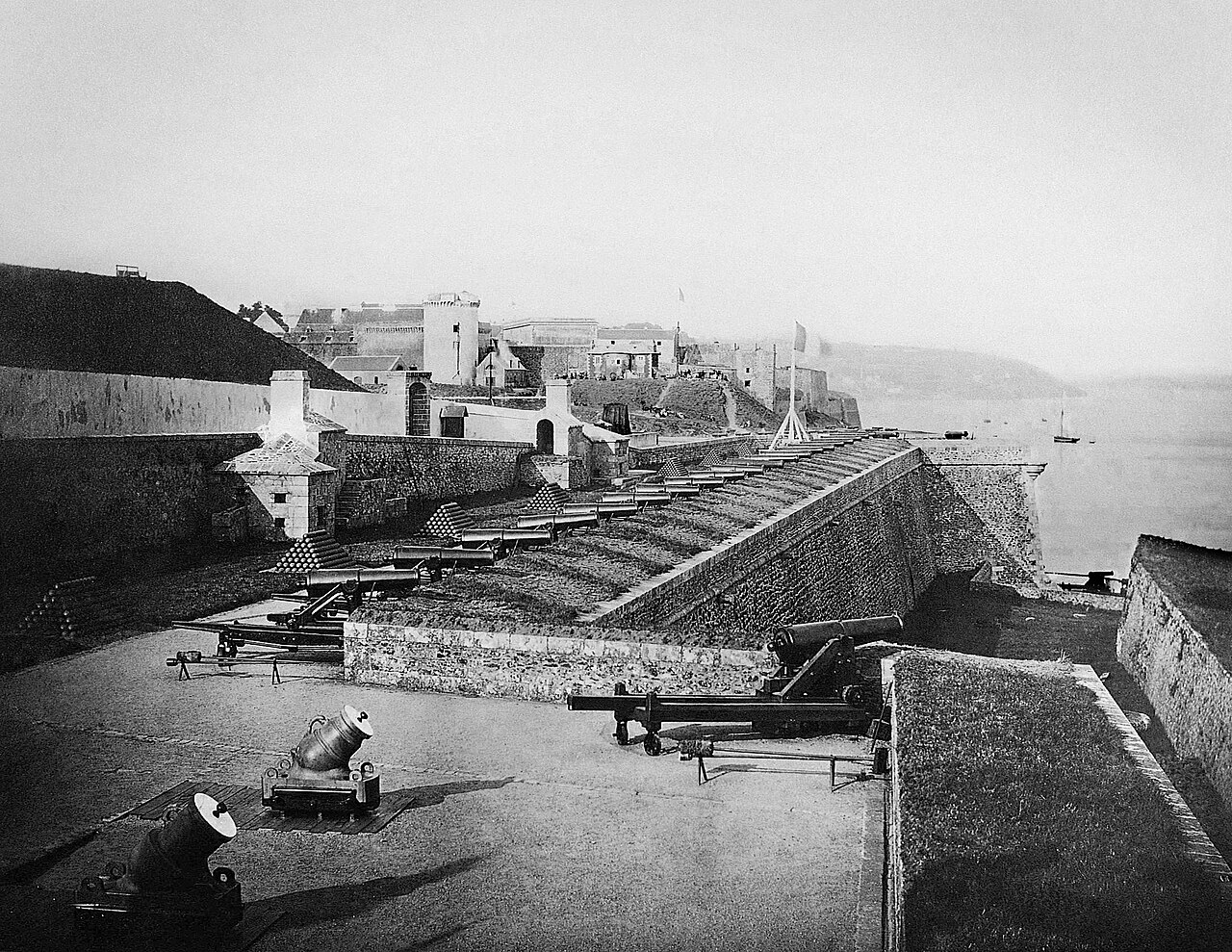
Despite growing artistic acclaim, Le Gray's business acumen proved his undoing. By 1855 he had opened a 'lavishly furnished' studio and was becoming progressively the official photographer of Napoleon III, yet poor management sank the enterprise into mounting debt. Unable to satisfy his creditors, he closed his studio, abandoned his wife and children, and fled the country. His exile carried him on a Mediterranean tour beginning in 1860 alongside the writer Alexandre Dumas, père. During that journey they encountered Giuseppe Garibaldi, and Le Gray's photographs of Garibaldi and Palermo under Sicilian bombardment became instantly famous across Europe. Dumas subsequently abandoned Le Gray and the other travelers in Malta to join revolutionary forces due to a personal conflict. Le Gray pressed on to Lebanon, then Syria, where in 1861 he covered the movements of the French army for a magazine; injured, he lingered before moving to Egypt. In Alexandria he photographed Henri d'Artois and the future Edward VII. By 1864 he had settled in Cairo, earning a modest living as a professor of drawing while retaining a small photography shop, and he remained there until his death in 1884.
Posthumous Fame and the Market for His Images
Le Gray's reputation outlived his quiet final years in Cairo. In 1868, a collection of photographic seascapes by Gustave Le Gray was donated by millionaire art collector Chauncy Hare Townshend to the Victoria and Albert Museum. Because Townshend had kept them in portfolios along with his watercolors, etchings and engravings, they remained in excellent condition, preserved to museum standards almost since they were made. Decades later the market recognized what connoisseurs had long intuited. In October 1999, Sotheby's sold a Le Gray albumen print 'Beech Tree, Fontainebleau' for £419,500, which was a world record for the most expensive single photograph ever sold at auction. At the same auction, an albumen print of 'The Great Wave, Sète' by Le Gray was sold for a new world record price of £507,500 or $840,370 to 'the same anonymous buyer' who was later revealed to be Sheik Saud Al-Thani of Qatar. That record stood until May 2003 when Al-Thani purchased a daguerreotype by Joseph-Philibert Girault de Prangey for £565,250 or $922,488. Le Gray's influence also extends into the arts beyond photography; the composer Caroline Shaw composed a piano piece inspired by Le Gray, referencing the 'blurring of the edges' and 'slowly coming into focus.'
Gallery
Frequently Asked Questions
Who is Gustave Le Gray?
Gustave Le Gray (1820–1884) was a French photographer, painter, sculptor, and print-maker who is widely regarded as the most significant French photographer of the nineteenth century. He was born in Villiers-le-Bel, Val-d'Oise, and became known for both his technical innovations and his highly imaginative compositions.
What was Gustave Le Gray's most important technical contribution to photography?
He was a key figure in developing the wax paper negative process, which allowed for more flexible and durable negatives than earlier methods. He also pioneered combination printing techniques that let him merge multiple exposures into a single image.
What was Gustave Le Gray's background before he became a photographer?
Before turning to photography, Le Gray trained and worked as a painter, draughtsman, and sculptor. That fine-arts foundation is often cited as the source of the extraordinary compositional imagination he brought to his photographic work, especially his celebrated seascapes.
Where and when did Gustave Le Gray die?
Le Gray died on July 30, 1884, in Cairo, Egypt. He had spent his final years outside France, away from the Parisian photographic circles he had once helped shape.
Why is Gustave Le Gray considered so important in the history of photography?
Beyond his technical breakthroughs, he mentored and instructed other well-known photographers, effectively passing on both craft and creative vision. His legacy rests on that combination of innovation, teaching, and an almost painterly imagination in how he constructed his images.
More in Photographers 1-24
Elsewhere in the Photographers universe
Spotted an error? Know more?
This is a living reference — every entry is fact-audited, and reader corrections feed straight into our audit queue. Suggest an edit · See this site's audit record